The investigation into the disappearance of 84-year-old Nancy Guthrie has taken a critical turn, with FBI profilers revealing a chilling portrait of a calculated predator who deliberately targeted the vulnerable great-grandmother in her Tucson home. Profilers assert this was no random crime of opportunity, but a premeditated act with the victim’s profound vulnerabilities—or her famous daughter—at its core.
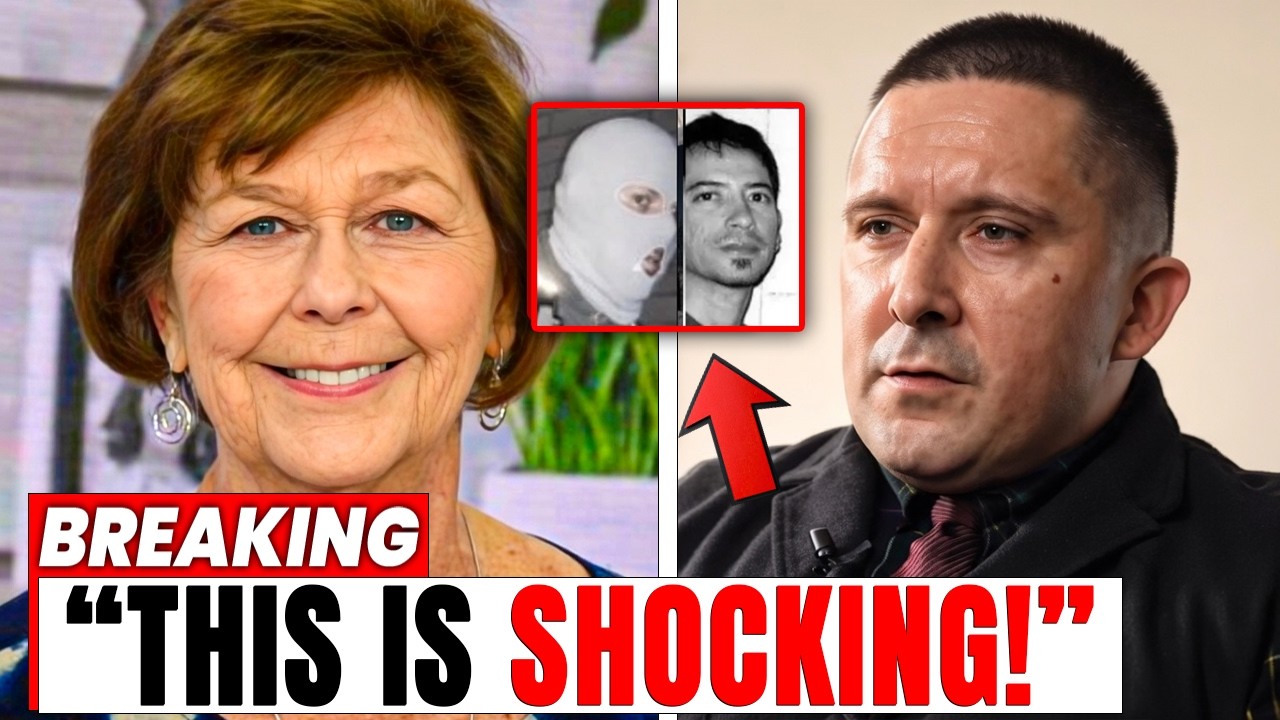 Authorities are now grappling with two distinct psychological profiles, each pointing to a drastically different offender. The central question dividing experts is whether Guthrie was targeted because she is the mother of national news anchor Savannah Guthrie, or simply because she was an elderly woman with a pacemaker and limited mobility who lived alone. This fork in the investigative road dictates everything about how the manhunt proceeds.
The crime’s precise timing—around 2:00 a.m. on February 1st—speaks volumes. Former FBI agent Jim Fitzgerald emphasized this was the hour of maximum darkness and minimum witness potential, chosen by someone who knew exactly when to strike. The profound silence surrounding a $1 million reward offer further suggests the suspect wanted Nancy Guthrie herself, not monetary gain.
One theory, supported by former FBI agent and CIA officer Tracy Walder, points squarely at Savannah Guthrie. Walder cites the crime’s high level of targeting and precision, suggesting an individual either enraged by or obsessed with the television journalist. The most devastating way to harm a public figure surrounded by security, profilers note, is to target the person she loves most.
Former FBI Special Agent Greg Rogers publicly dismissed a “robbery gone wrong” scenario. He stressed that a robbery is about access, but a targeted kidnapping implies intent, planning, research, and forethought. This level of preparation, he indicated, often implies a disturbing familiarity with the victim’s life and routines.

A key behavioral insight comes from Mary Ellen O’Toole, former director of the FBI’s Behavioral Analysis Unit. Analyzing doorbell camera footage, she noted the suspect’s alarming lack of nervousness during the crime. This composure suggests either prior experience with such acts or a perpetrator who had rehearsed the fantasy so completely that its execution felt routine.
The alternate profile paints a different picture: a predator who saw an ideal victim. Nancy Guthrie’ age, medical dependencies, and solitary living situation represented low resistance and high vulnerability. Former FBI profiler Jim Clemente outlined how routine service workers—from plumbers to delivery drivers—could have assessed this vulnerability, providing a potential pool of suspects.
These theories converge in the analysis of Greg McCrary, another founding FBI profiler. He described a personality type potentially casing the neighborhood, who may have first noticed Nancy, later discovered her famous lineage, and built a fantasy bridging both women. This individual would blend predatory opportunism with a possible celebrity fixation.

O’Toole raised a critical parallel to the Zodiac Killer, noting the offender’s likely preoccupation with media coverage. The suspect’s decision to deliver a ransom note to a news outlet, TMZ, was a deliberate act to command a public stage, seeking power and significance through the terror and attention generated.
A crucial piece of evidence, the 25-liter Ozark Trail backpack worn by the suspect, presents an investigative challenge. While exclusive to Walmart, Sheriff Chris Nanos noted it could have been acquired secondhand online, potentially muddying a direct purchase trail. This detail indicates either meticulous planning to avoid detection or sheer luck.
Forensic hope may lie in a critical mistake. Profilers, including Clemente, highlight that the suspect’s ski mask did not fully cover his mouth. This exposure raises the possibility of deposited saliva containing DNA traceable through genetic genealogy databases—the same method that identified the Golden State Killer. A glove found two miles from the scene with unknown male DNA could be pivotal.

Further analysis of the doorbell footage suggests the suspect may have a visible tattoo. Investigators are scrutinizing every pixel, as tattoo styles, symbols, and custom designs can be traced to specific artists or regions, dramatically narrowing the field of potential suspects.
After weeks of analysis, the consensus is unequivocal: Nancy Guthrie was not a random victim. She was researched, observed, and selected. Someone knew her routines, her medical vulnerabilities, and her isolation. Whether driven by a fixation on her daughter, predatory calculation, or a twisted hybrid of both, a decision was made that her home was the location and 2 a.m. was the moment.
Nancy Guthrie remains missing. The reward for information has increased to $1.2 million. Authorities urge anyone with information about a person whose behavior changed after February 1st, or who has shown an unusual obsession with this case or the Guthrie family, to contact the FBI or the Pima County Sheriff’s Department immediately. Someone knows this man.
