When I Dream of Jeannie first aired in 1965, audiences were spellbound by the dazzling blend of magic, comedy, and forbidden romance between Barbara Eden’s mischievous genie and Larry Hagman’s straight-laced astronaut, Major Tony Nelson. For five seasons, fans tuned in religiously, intoxicated by the flirty glances, the unsaid words, and the simmering tension that defined their otherworldly relationship. It was a fantasy of endless possibility — until one shocking episode shattered the illusion forever.
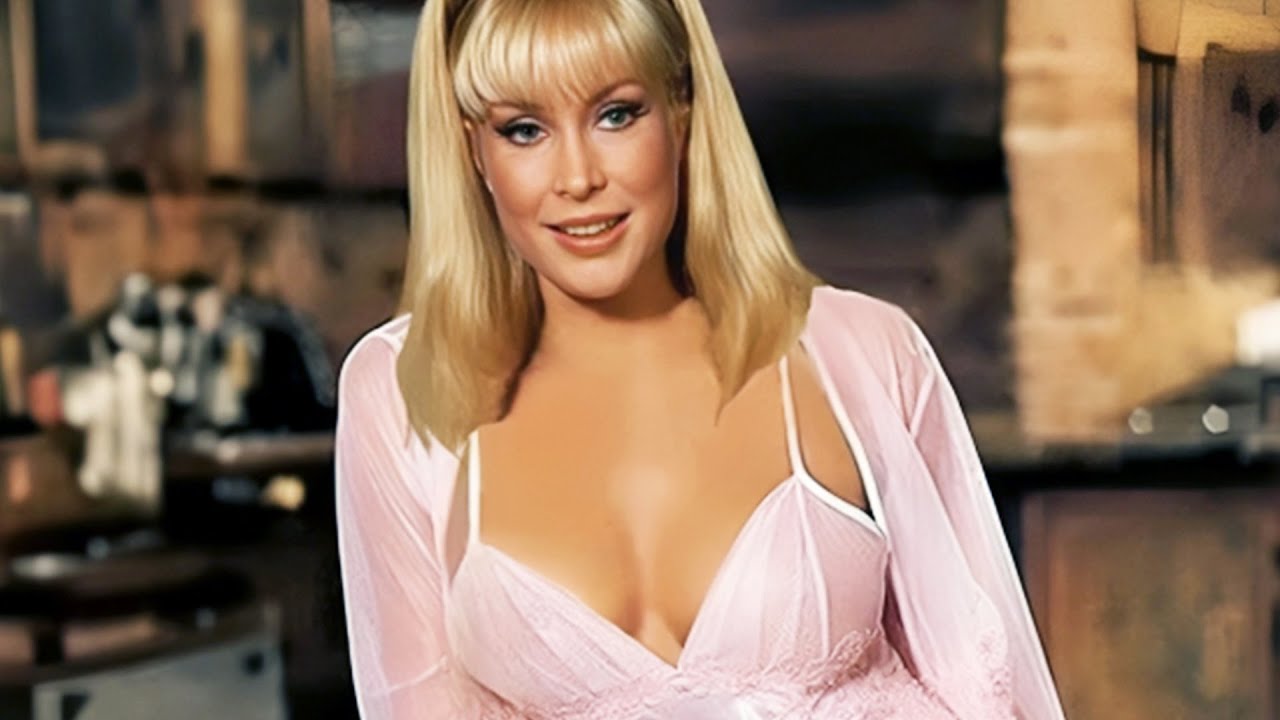
By 1969, as the fifth season launched, NBC executives were restless. Ratings had begun to wobble, and in their desperate bid to inject new life into the series, they forced a storyline that would prove catastrophic: Jeannie and Tony’s marriage. Titled The Wedding, the episode was meant to be the grand payoff fans had been waiting for — a cultural television event that would cement the show’s place in history. Instead, it detonated the very heart of what made the series enchanting.
Behind the cameras, alarm bells were already ringing. Creator Sidney Sheldon fought bitterly against the network’s demands, warning that to wed Jeannie was to kill her mystery. Barbara Eden herself later admitted she felt stripped of her character’s magic, reduced from a powerful and unpredictable enchantress to a domesticated sitcom wife. Larry Hagman, equally disillusioned, bristled at the new dynamic, knowing that Tony Nelson, once caught between temptation and control, was now simply a husband bound by convention. The spark that had fueled the show’s charm vanished overnight.
The episode aired, audiences watched — and they recoiled. Gone was the tantalizing cat-and-mouse game, the dangerous allure of an unfulfilled romance. What remained was a bland portrait of marriage that could have belonged to any ordinary sitcom couple of the era. The whimsical premise had been smothered, the stakes erased, and the chemistry that once defined the series dissolved in a haze of vows and veils. Ratings began to nosedive, critics sharpened their knives, and fans, once spellbound, drifted away in disappointment.
By 1970, NBC pulled the plug. Just like that, I Dream of Jeannie was gone — not with a magical flourish, but with a whimper. For decades, fans and television historians have debated that fatal choice. Would the series have soared into television immortality had Jeannie remained an untamed spirit, her love forever out of reach? Did NBC destroy one of TV’s most promising gems by forcing a marriage no one truly wanted?
The truth, as time has shown, is inescapable. The very scene meant to immortalize the show became its death knell. The wedding wasn’t a celebration; it was an execution. The allure of Jeannie had always been in the unknown, the unanswered question of “what if.” Once answered, the spell broke.
Now, half a century later, the wedding episode stands as one of the most infamous cautionary tales in television history — a moment where network greed triumphed over creative instinct, where ratings panic smothered magic. And as fans continue to mourn what I Dream of Jeannie might have been, one lesson lingers in the air like an ungranted wish: sometimes, the greatest magic is never letting the fantasy end.
