It was the sitcom that defined a generation, a “show about nothing” that became everything. Yet behind the laughter, behind the iconic moments and catchphrases, Seinfeld was a battlefield of egos, creative clashes, and shocking decisions that shaped the show’s destiny. Now, decades later, the truth behind the departures of key figures has come to light, and the revelations are nothing short of explosive.
The most shocking exit came when co-creator Larry David, the genius behind much of the show’s biting wit, walked away at the height of success. Fans assumed he ran out of ideas—but the truth is far stranger. Sources close to David claim he felt suffocated by the weight of perfection, terrified of overstaying his welcome. In a stunning act of self-sabotage or brilliance, he left in season seven, abandoning Jerry Seinfeld to carry the torch. The tonal shift was subtle but undeniable, and though ratings soared, insiders insist the soul of the show walked out with him.
Equally shocking was the transformation of Frank Costanza. Originally played by John Randolph in his first appearance, Frank was forgettable—until Jerry Stiller was cast. With volcanic outbursts and unhinged comedic brilliance, Stiller reinvented the character into one of television’s most iconic fathers. But whispers from the set suggest producers made the switch not only for chemistry but to avoid “creative stagnation” that could have killed the role. The recast was a gamble, but it paid off, birthing moments fans still quote today.
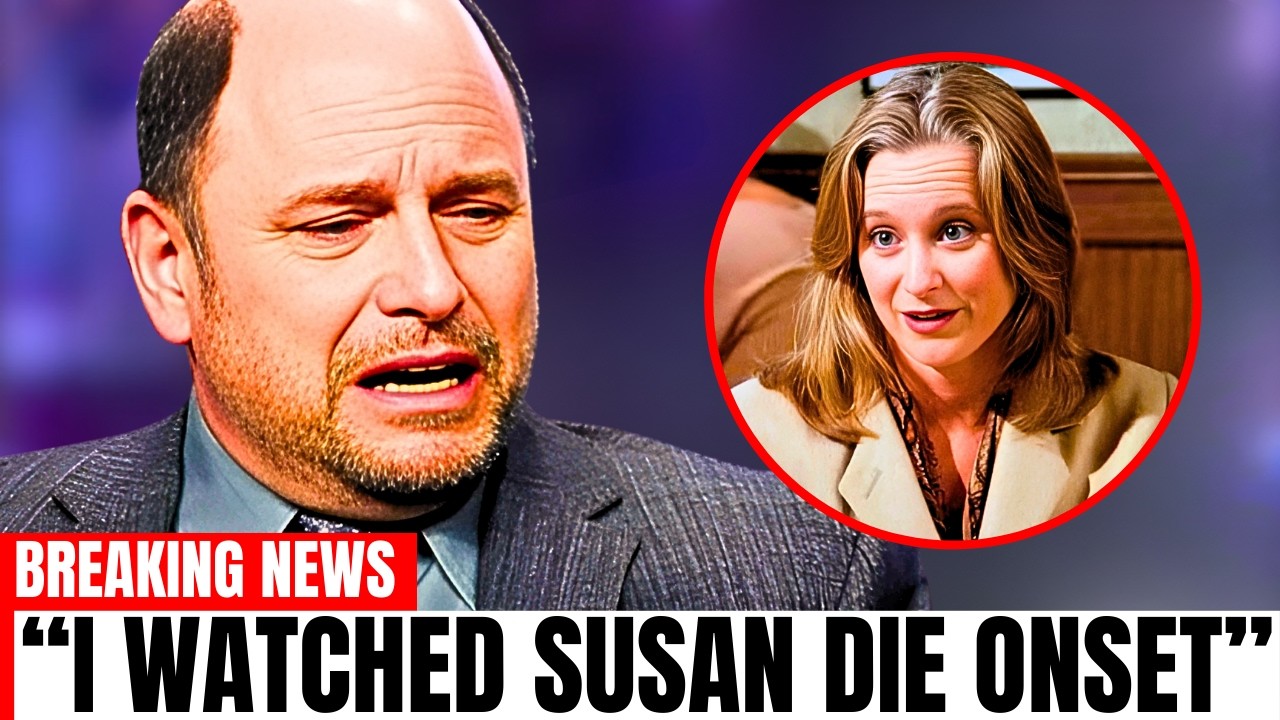
Then came Susan Ross. Heidi Swedberg’s character, fiancée to George, was abruptly killed off in one of the darkest comedic twists in sitcom history. On-set chemistry issues had frustrated Jason Alexander, who confided to writers that scenes with Swedberg “just didn’t work.” The solution? Kill her off in a storyline so shocking it cemented Seinfeld’s reputation for ruthless absurdity. Fans laughed and gasped—but for Swedberg, it was the end of her prime-time career.
Other departures shaped the show in equally strange ways. Lawrence Tierney, who played Elaine’s terrifying father, was so intense off-camera that cast members feared him. Producers deemed him “too dangerous” for a comedy series, cutting him after a single appearance. Meanwhile, the shift from the original waitress Clare to Julia Louis-Dreyfus’ Elaine was more than casting—it was a seismic change. Clare was static, confined to the diner, while Elaine unleashed limitless storylines. Without her, Seinfeld might never have achieved its cultural dominance.
Even Morty Seinfeld was recast, with Phil Bruns replaced by Barney Martin. Producers wanted sharper comedic timing, someone who could spar with Jerry on screen. The decision was ruthless but effective, cementing Morty as a fan favorite.
Looking back, every departure, every recast, every bold decision carved Seinfeld into the phenomenon it became. The irony is staggering: a show about “nothing” was constantly shaped by everything behind the scenes—fear, conflict, ego, and risk. Fans still debate which exit mattered most: Larry David’s, Susan’s death, or the reinvention of Frank Costanza. But one truth stands tall: without those shocking exits, Seinfeld would never have become the legend it is today.
