A grim archaeological discovery in central England has rewritten the brutal history of Tudor-era capital punishment, revealing a previously unrecorded method of execution involving a domestic object turned instrument of death. The skeletal remains of a woman, believed to be from the late 15th or early 16th century, were found crushed beneath a massive oak door, with forensic analysis confirming it as the cause of her state-sanctioned killing.
 The site, located near the remnants of a modest Tudor dwelling in the West Midlands, was initially surveyed for a routine infrastructure project. Archaeologists from the University of Cambridge’s forensic archaeology unit made the chilling find when they uncovered the complete skeleton of a woman in her late twenties, anomalously positioned in a shallow pit directly beneath the heavily weighted door. Dr. Alistair Finch, the lead archaeologist, stated the positioning was deliberate and ritualistic.
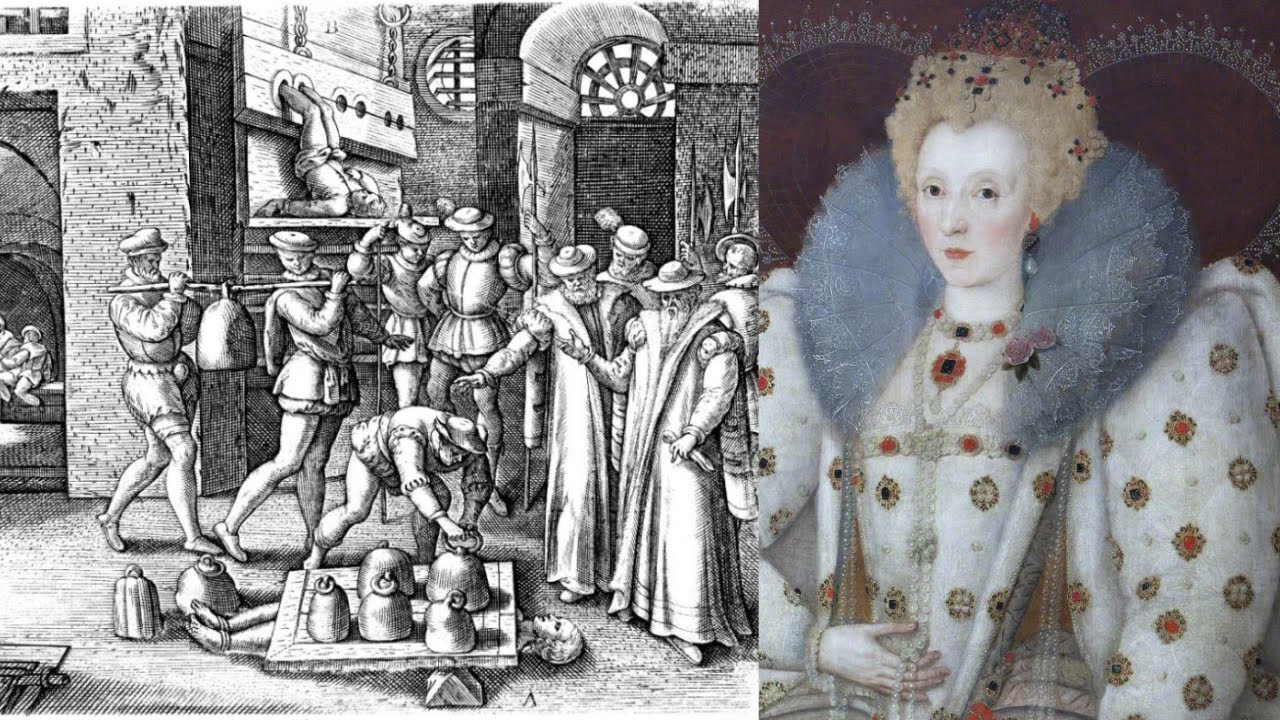
“This was not an accident or a casual disposal,” Dr. Finch reported. “The door, which belonged to the dwelling’s own entryway, was placed atop her with clear intent. The trauma to the thoracic cavity and pelvis is consistent with pressing, a known form of execution, but the use of a household door is unprecedented in the British historical record.” The practice of pressing, or peine forte et dure, was typically administered using weights and stones in a formal judicial setting.
Historical records indicate pressing was often used to coerce a plea from a defendant who refused to enter one, or for those convicted of treason. The victim’s identity and specific crime remain shrouded in mystery, but the nature of the discovery suggests a local, expedited form of justice. Dr. Eleanor Vance, a Tudor social historian consulted on the case, posits the woman may have been accused of a crime that profoundly violated the domestic sphere.

“We must consider the symbolism,” Dr. Vance explained. “The door is the threshold of the home, the boundary between safety and the outside world. To be executed by the very object that symbolizes sanctuary and familial integrity suggests her alleged crime was seen as a fundamental betrayal of that order. This could point to accusations of witchcraft, petty treason like the murder of a husband, or severe domestic rebellion.”
The forensic team noted small, personal artifacts found with the remains—a simple pewter ring and the remnants of a coarse linen dress—indicating she was of lower social status. Isotope analysis is underway to determine her precise geographical origins. The discovery site itself shows no signs of a formal execution ground, implying the sentence was carried out privately, perhaps hastily, by local authorities or even a manorial court.

This finding challenges previous assumptions about the uniformity of capital punishment in Tudor England. It suggests that local jurisdictions, particularly in more remote manors, may have employed ad hoc methods using available materials. The door, a ubiquitous and heavy object, became a tool of judicial terror. The psychological impact on the community would have been severe, serving as a gruesome reminder of the consequences of transgression.
Legal scholars are now re-examining fragmentary manorial court rolls from the period, searching for any oblique references to such punishments. The case of the “Tudor door woman” highlights the gap between centralized statute law and its brutal, improvisational application in daily life. It underscores how the home, the center of Tudor life, could be perverted into a site of horrific public death.

The Ministry of Justice’s historical crimes unit has been notified, though no modern legal action is applicable. The primary focus remains on historical understanding and respectful treatment of the remains. After full study, the woman will be re-interred in consecrated ground, a small gesture of dignity centuries too late.
This archaeological testimony provides a visceral, unsettling window into a time when the line between household item and instrument of execution could vanish with terrifying speed. It stands as a stark testament to the brutal ingenuity of power and the extreme vulnerabilities of the poor, particularly women, under Tudor law. The discovery forces a reevaluation of how capital punishment was woven into the very fabric of local communities and domestic life.
