In a groundbreaking revelation that shakes the foundations of Russian history, the remains of the executed Romanov royal family have been conclusively identified, bringing closure to a century-old mystery. The brutal execution of Tsar Nicholas II, his wife Alexandra, their five children, and four loyal retainers on July 17, 1918, marked a pivotal moment in Russia’s tumultuous transition from imperial rule to Bolshevik control. For decades, the fate of their bodies was shrouded in secrecy, buried under layers of Soviet denial and political taboo.

The Romanovs, who ruled Russia for over 300 years, met a violent end at the hands of Bolshevik executioners in the basement of the Ipatiev House in Ekaterinburg. As the Russian Civil War raged, the family was awakened in the early hours of that fateful day, falsely told they were being moved for their safety. Instead, they faced a gruesome execution, marked by chaos and brutality as gunfire rang out and bayonets were used to finish the job. The bodies were hastily disposed of in a shallow grave, obscured by sulfuric acid and rifle butts to erase any trace of the imperial family.
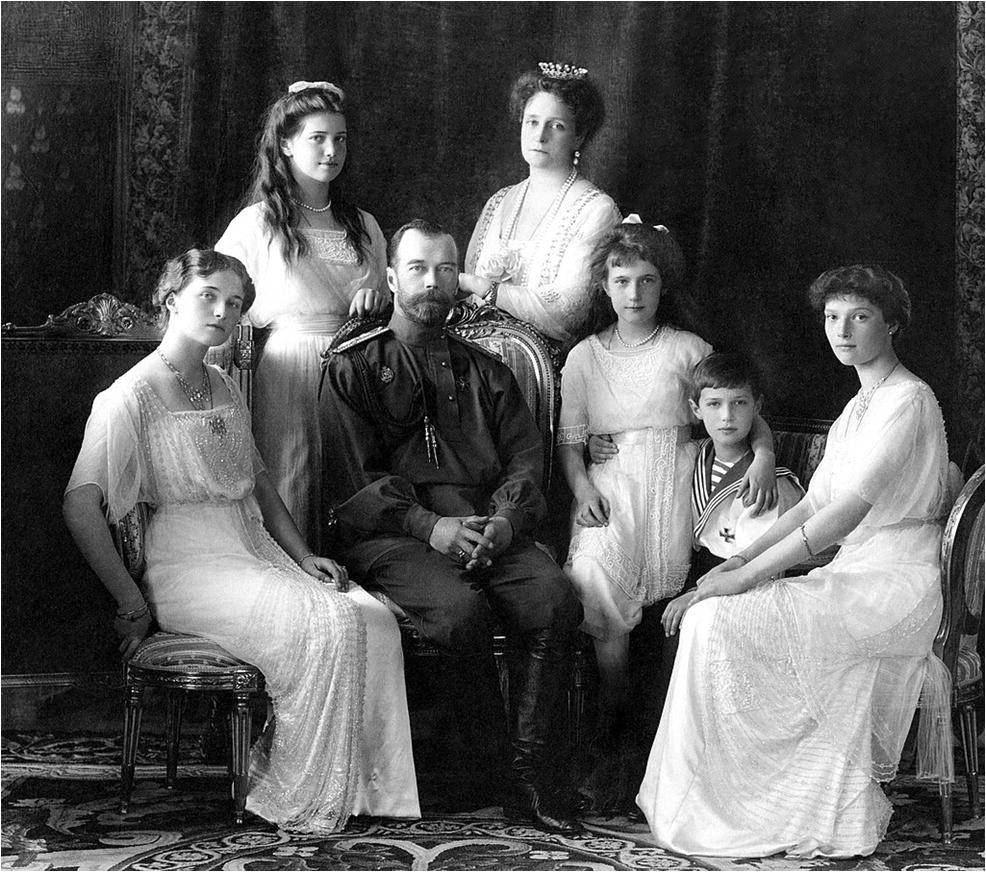
Years of silence followed, with the Soviet government initially denying the full extent of the massacre. It wasn’t until 1926 that the truth emerged, yet details remained obscured. The Ipatiev House was demolished in 1977 to prevent it from becoming a royal shrine, and rumors about the burial site persisted. In the late 1970s, amateur sleuths began to uncover the truth, leading to the discovery of the presumed mass grave in 1979. However, it wasn’t until the collapse of the Soviet Union that the remains were officially exhumed in 1991, revealing nine skeletons—five adults and four children—matching the Romanovs and their retainers.

Despite the identification of the remains, the absence of two bodies—those of Alexei and one of his sisters—sparked wild speculation and myths of survival, particularly surrounding Anastasia. DNA testing ultimately confirmed the identities of the recovered remains, and in 1998, the family was laid to rest with state honors in St. Petersburg, an act of national repentance by President Boris Yeltsin.
The mystery of the missing bodies was finally resolved in 2007 when archaeologists discovered a second burial site, confirming the remains of Alexei and likely Maria. The attempt to destroy the bodies mirrored the executioners’ efforts to conceal their heinous crime. The Russian Orthodox Church canonized the Romanov family in 2000, igniting debates about their legacy and the historical significance of their deaths.
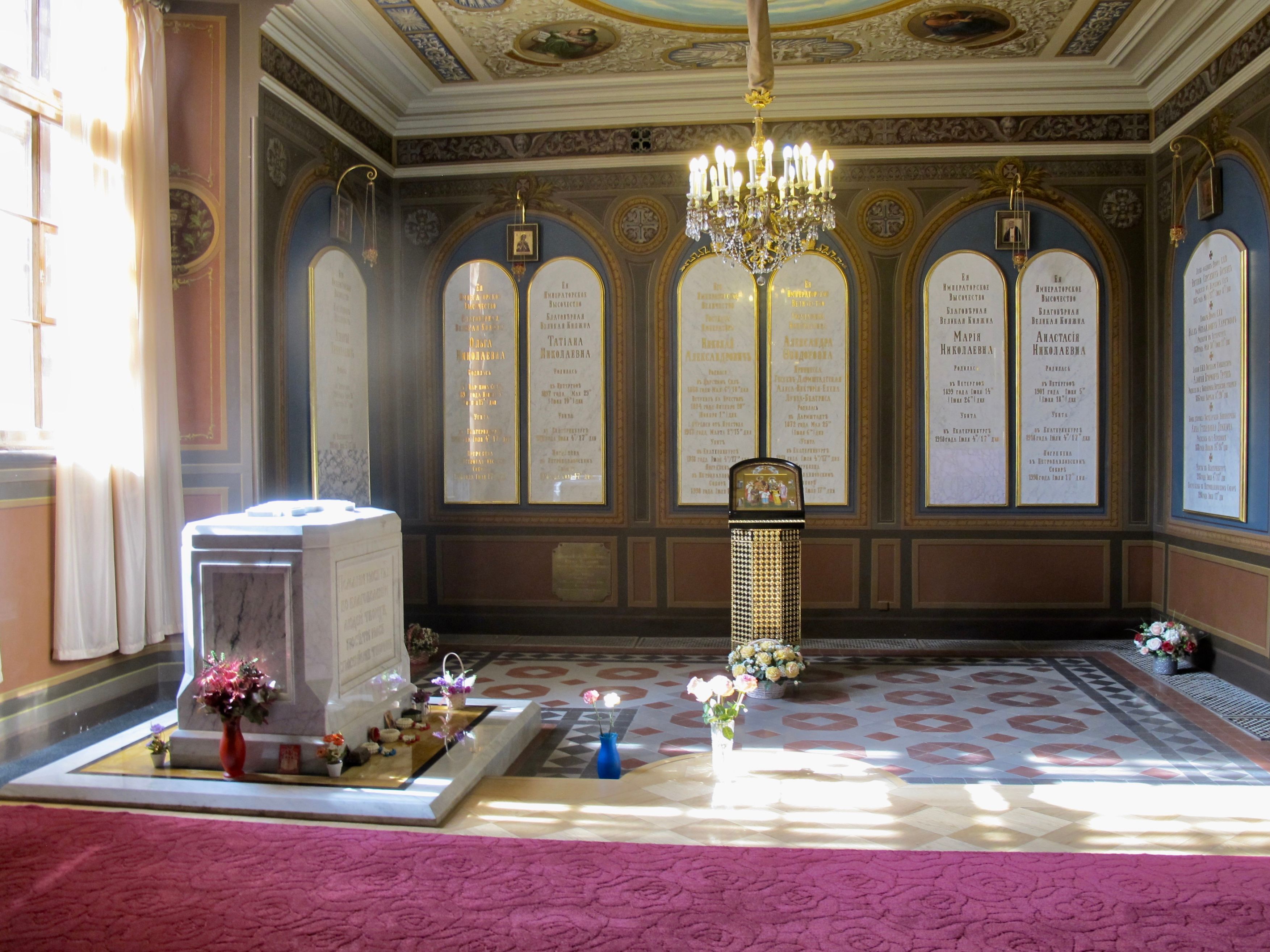
The execution of the Romanovs not only marked the end of an era but also symbolized the violent upheaval of a nation grappling with its identity. Their rediscovery and reburial have become a form of national reckoning, transforming the Romanovs from mere political symbols into figures of historical and spiritual significance. As Russia continues to confront its past, the story of the Romanovs serves as a haunting reminder of the brutality of revolution and the complexities of national identity.
This dramatic chapter in history underscores the enduring impact of the Romanovs on contemporary Russian society, as their legacy continues to evoke strong emotions and reflections on the scars of the past. The century since their deaths has seen a nation struggle with the ghosts of its imperial history, and the recent confirmations surrounding their remains provide a crucial link in understanding the turbulent journey from monarchy to modernity.
